

CS 152 / COMM 122 / INTLPOL 267: Trust and Safety / Spring 2026
Announcements
3/17/2026 - It looks like the waiting list problem is fixed. We expect that everybody who wants to take the class will be able to, so please sign up on the waiting list for the correct class for you (if you are CS, don’t sign up for INTLPOL, etc) and we’ll make it work.
3/6/2026 - The class is currently full, and although we have a waitlist Stanford’s registration system is not letting students join it. The CS department is working with the Registrar to troubleshoot. If you are interested in the class, please come to the first lecture, our intention is to accomodate all students who are truly interested. Students who are enrolled and don’t attend the first lecture will be asked to drop.
Welcome to CS 152! Come to the first lecture on Tuesday, March 31st, 3pm in 420-041!
Instructors
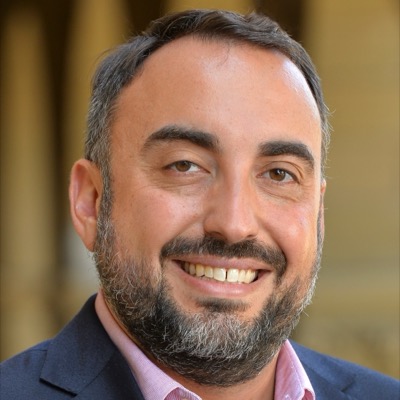
Adjunct Lecturer, Computer Science
Email: stamos@stanford.edu
Office Hours: Book at Calendly
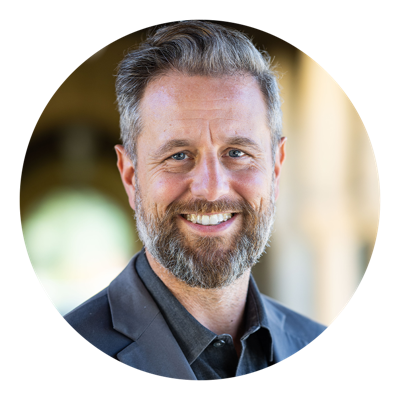
Professor of Communication
Email: hancockj@stanford.edu
Office Hours: Wednesday 12–1, McClatchy Hall Rm. 300J, or by appointment via email
Course Assistants
TBA
Course Description
Trust and Safety is the field of professional and academic effort to allow people to positively use technology while being safe from harm. This course explores how online services and AI systems are abused to cause real human harm and the potential social, operational, product, legal and engineering responses.
Lecture: Tuesday & Thursday, 3:00–4:20 PM, 420-041
Discussion Sections (attend one per week):
- DIS 02 — Monday 10:30–11:20 AM, 320-109 (31452)
- DIS 03 — Monday 4:30–5:20 PM, STLC 104 (31453)
- DIS 04 — Wednesday 11:30 AM–12:20 PM, STLC 104 (31454)
- DIS 05 — Wednesday 6:30–7:20 PM, 300-303 (31455)
- DIS 06 — Friday 10:30–11:20 AM (31456)
Learning Goals
This course aims to give students a strong overview of the risks inherent to online communication, media and commerce platforms and to prepare them to recognize and address these risks during their careers. By the completion of the course, students will be able to:
- Explain to colleagues such as software engineers and product managers the common ways that internet technologies are used to cause harm.
- Recognize the pattern of how long-existing societal challenges (hate speech, disinformation, child abuse) can be changed or amplified by modern communication platforms.
- Understand the likely abuses of common internet products and propose potential solutions.
- Design and implement a content moderation system powered by a machine learning classifier.
- Have empathy for a broad cross-section of the people who use their products and the risks they face.
Alumni of this class have gone on to careers in trust in safety teams, the public sector, and civil society. They have also applied what they have learned to engineering, project management and entrepreneurial positions where they have an opportunity to make their products a bit safer for users and the world.
Quick Links
- Schedule — Lecture dates, topics, and slides
- Reading Syllabus — Required and optional readings by week
- Policies — Grading, milestones, and course policies
- Project — Group project information
Guest Lecturers
-
Riana Pfefferkorn
— Policy Fellow, Stanford Institute for Human-Centered Artificial Intelligence
Intro to the US Legal System, Privacy, Surveillance and Law Enforcement (Apr 14) -
Evelyn Douek
— Associate Professor of Law, Stanford Law School
Free Speech on the Internet and Trust and Safety (Apr 16)